



A focus on…
Hidcote Gardens
At Your Leisure Volume 1
By Charlotte Ellis.
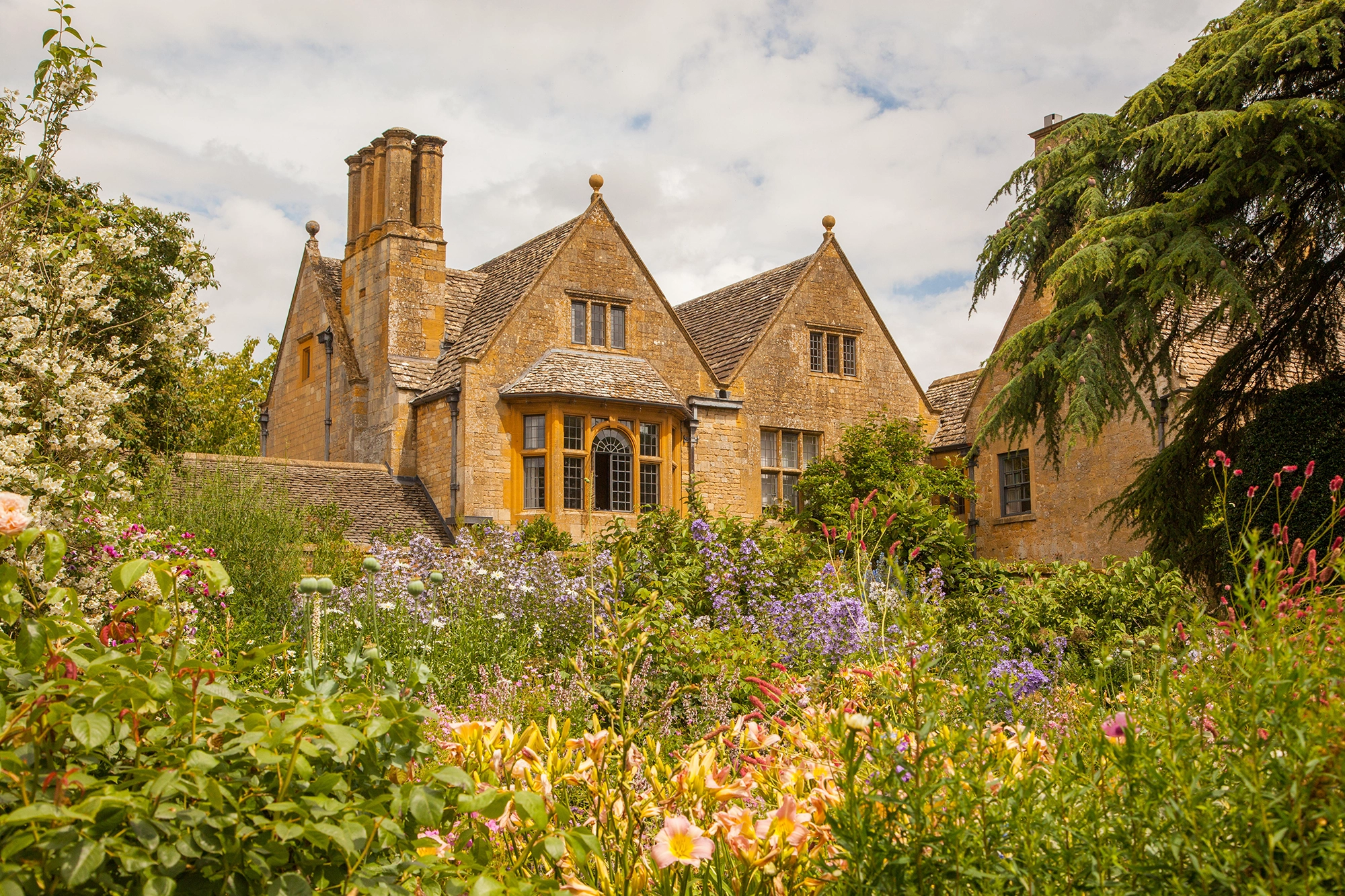
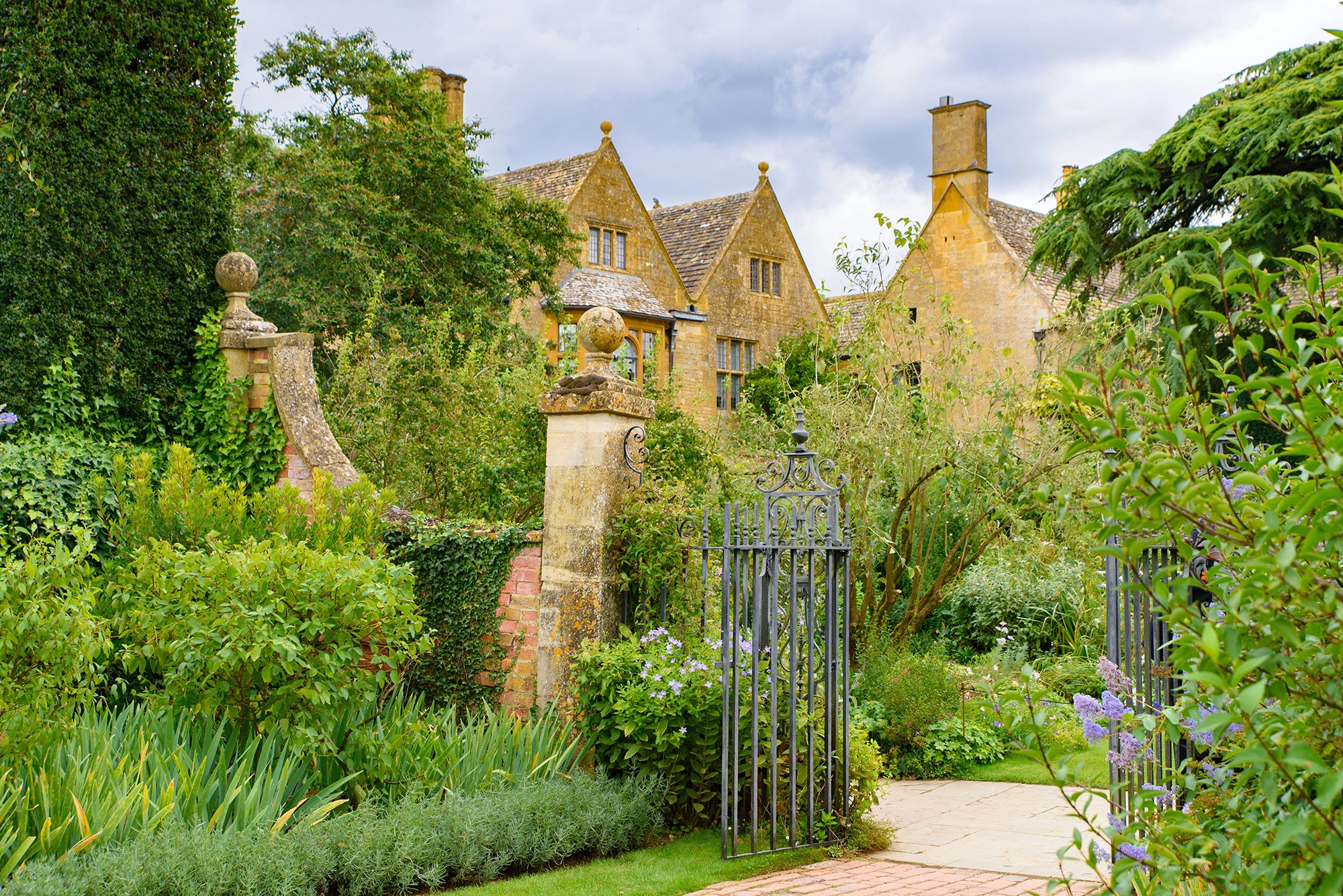
As the Cotswolds wakes up with the first hum of spring, there really is no better place to witness the divine change in season than Hidcote Manor Garden. Just a stone’s throw from Chipping Campden and Mickleton, this 10.5 acre masterpiece is more than just a collection of plants; it is a living art gallery.
Originally agricultural land, this all changed in 1907 when the 300-acre estate was acquired by Lawrence Johnstone for his socialite mother, for £7200.
The Mastermind: Lawrence Johnston (1871–1958)
Lawrence Johnston was a man of quiet contradictions. Despite his military title of “The Major”, Johnston was a shy, reclusive and deeply artistic soul. Once described as a “Mother-Ridden” Enigma by a famous National Trust figure James Lees-Milne, Johnston never married and remained deeply devoted to his mother and his plants.
An accomplished water colourist and a global plant hunter, Johnston went on gruelling expeditions to the Alps, South Africa and China to find exotic species to bring home, choosing plants for their texture and colour harmony. It was his mother’s vast inheritance from her two husbands that allowed Johnston to spend his life traveling and gardening without ever needing to earn a traditional living.
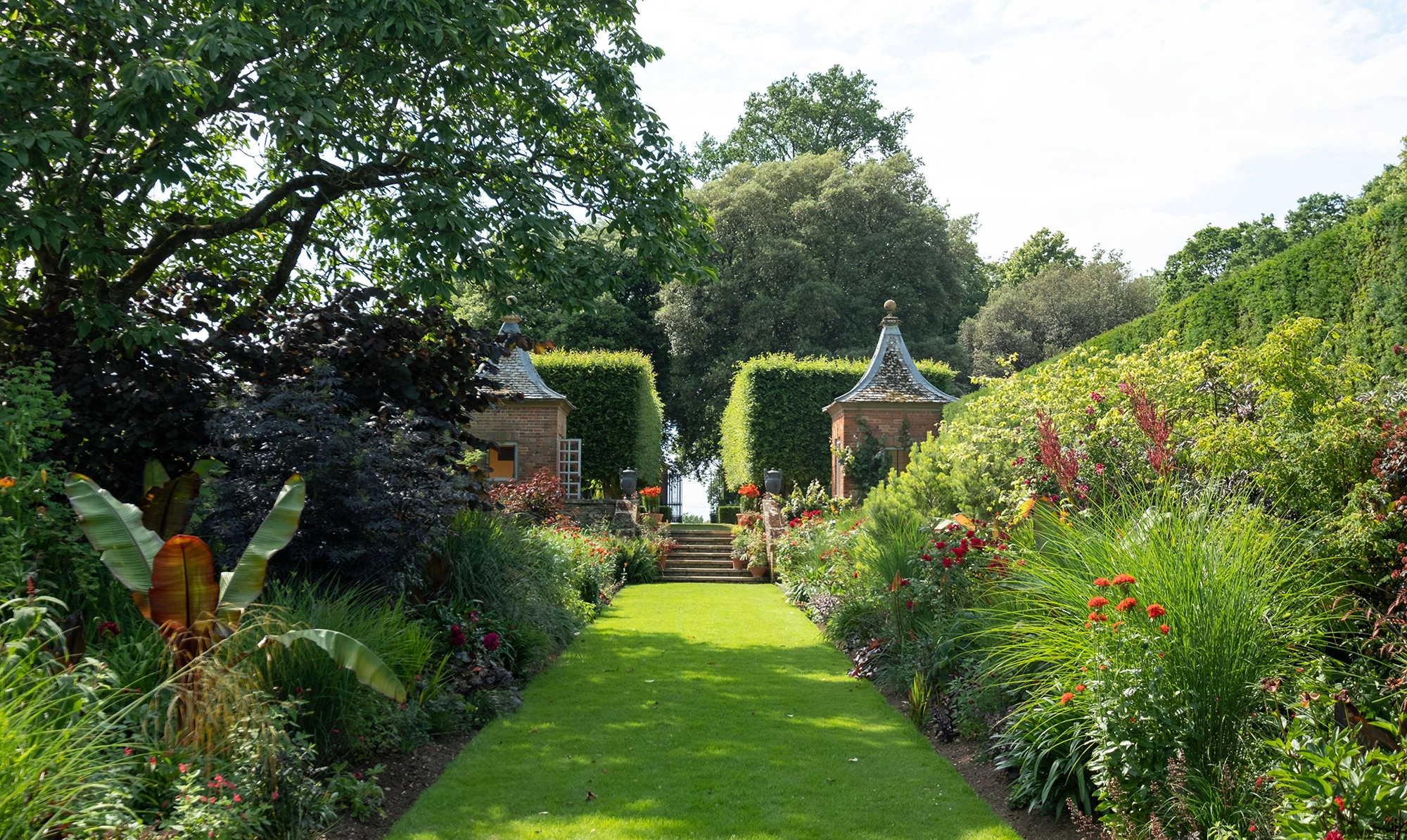
Over a lifetime Johnston made the Arts and Crafts gardens so spectacular. In 1922, when the garden was essentially complete, he took on Frank Adams from Windsor Castle as Head Gardener. Then in 1948, Hidcote made history as the very first property the National Trust accepted solely for its garden (rather than for a historic house).
The Matriarch: Gertrude Winthrop
Gertrude Winthrop, mother of Lawrence Johnston, was a wealthy American socialite from a New York whose family wealth came from rope-making . Her wealth was further solidified through a divorce and her marriage to Charles Francis Winthrop.
While her son wanted to dig in the dirt, Gertrude wanted to host. Being a formidable figure, she kept a sharp eye on local parish affairs.
Gertrude moved to the Cotswolds to escape a scandalous past in the American South (a rare-at-the-time divorce) and hoped to find her son a suitable wife among the local gentry.
Hidcote was a magnet for the “Cotswold Set” of the early 20th century. The garden rooms played host to literary and artistic giants like Edith Wharton and the garden designer Vita Sackville-West, who took much inspiration from Hidcote when creating Sissinghurst.
What is “Arts and Crafts” Gardening?
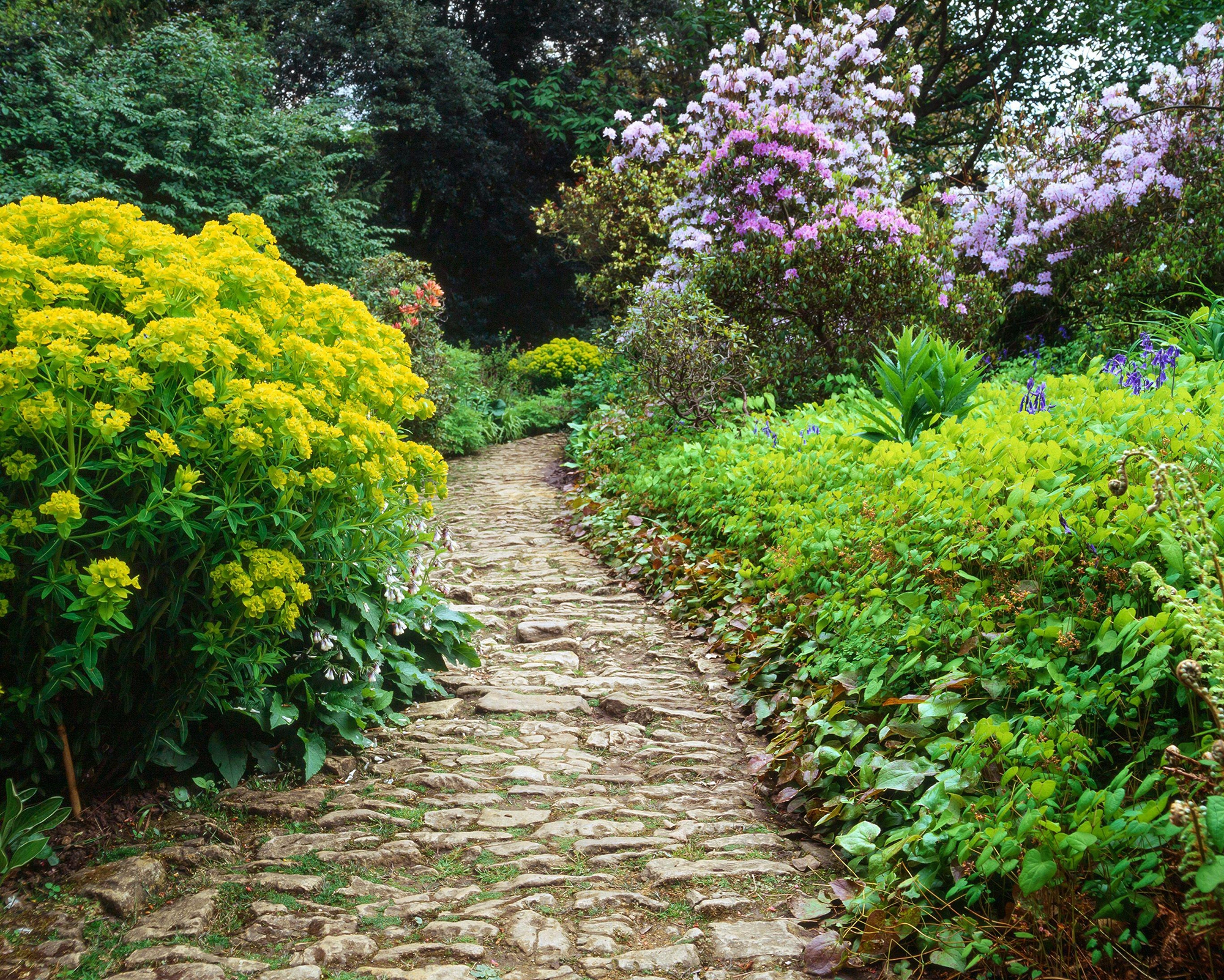
The Arts and Crafts gardening movement pioneered by William Morris was a rebellion against industrialisation. In a garden, this saw a number of changes, including:
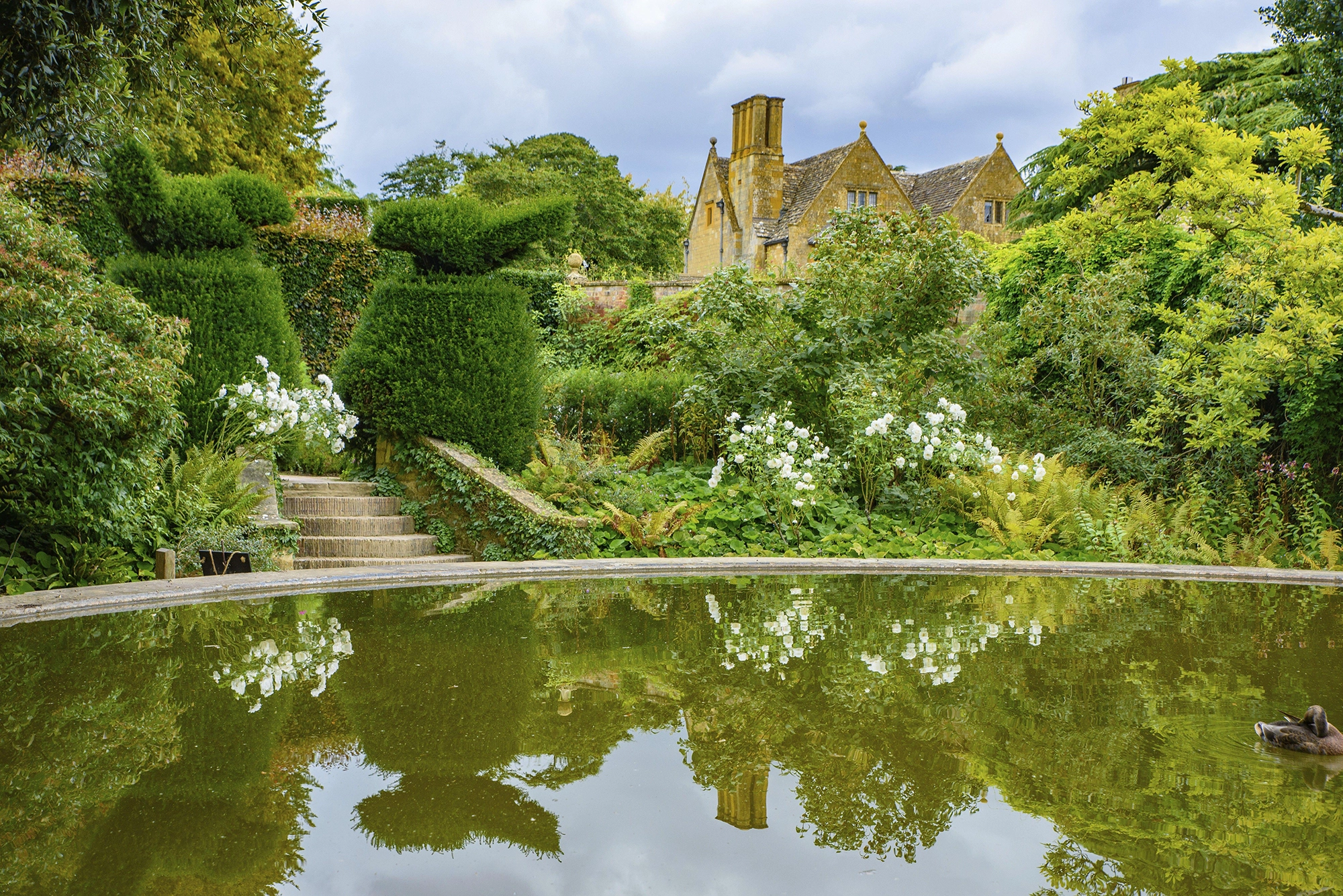
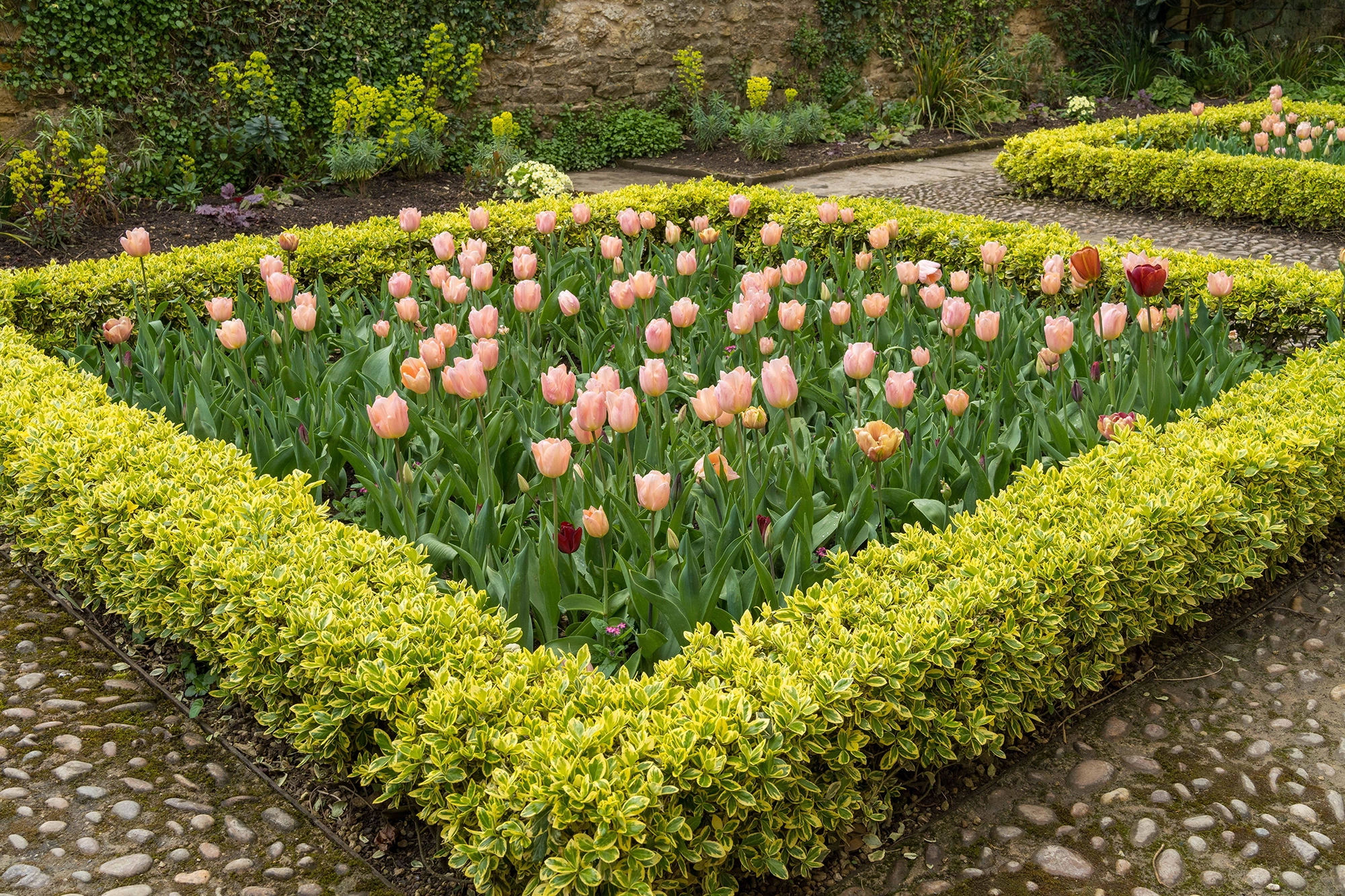
∼ The Garden Room: Instead of one big lawn, the garden is divided into “rooms” created with high box hedges, sometimes stone walls and thick, busy beds.
∼ Mixing Formal vs. Wild: A rigid, architectural layout (“formal”) overflowing with loose, romantic, and slightly messy planting (the “wild”).
∼ Local Materials: Using Cotswold stone and traditional craftsmanship rather than mass-produced Victorian cast iron.
To truly understand the “Arts and Crafts” genius of Hidcote, a gardener-led tour is the gold standard. In 2026, there are several ways to get that behind-the-scenes expert insight, ranging from casual daily talks to exclusive after-hours events.
The National Trust typically offers “Potting Shed” talks and informal sessions where you can meet the team. Make sure to check the chalkboard upon arrival, as the gardeners often post “What’s in Bloom” updates and times for brief pop-up talks about seasonal tasks.
To find out more information about talks, tours and events across the season, check out The National Trust website.
A Place That Whispers
Running until 13 September 2026
Anderson and Low’s exhibition reimagines the garden rooms as fairy-tale settings where photography, illustration and storytelling blend.
Why not try: Tai Chi at Hidcote
Running throughout the year
Join the Swan School of Tai Chi & Qigong as they take you through the ancient Chinese tradition. Suitable for all. Book your slot here.
Visiting in spring 2026
Opening Hours 10.00-17.00 (last entry at 16.00)
Free for National Trust Members. Check the National Trust website for admission fees. Parking can be busy, prebook your spot on the National Trust website.